Facebook
 X
X
 Pinterest
 Copy Link
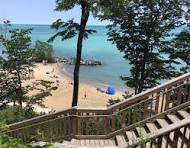
What are the rules and risks of building or renovating on a Lake Michigan bluff?
Bluff work is high-stakes: permits + geology + water are the boss. In Michigan, if the parcel is in a High Risk Erosion Area, a permit can be required for structures and major work—even if you’re not right at the edge.
Michigan side: the big regulatory headline
-
High Risk Erosion Areas (HREA): EGLE notes permits are required for construction of structures on HREA parcels, with common triggers like homes/additions/septic/substantial reconstruction.
-
Shoreline management: certain shore protection / shoreline activities require EGLE permits.
Indiana side: the big regulatory headline
-
Indiana DNR requires prior approval for permanent structures in navigable waterways or Lake Michigan under state water regulations.
Bluff risk checklist (don’t skip these)
-
Geotech report (slope stability, soil type, groundwater pathways)
-
Stormwater plan (roof runoff and drainage can accelerate bluff failure)
-
Setback math (what’s buildable now vs “rebuildable later”)
-
Insurance reality (wind, flood, bluff collapse exclusions—get quotes early)
The brutal truth
If a bluff is actively failing, the question isn’t “can we renovate?” It’s “can we protect, maintain, and insure this over a decade without getting trapped by permits + physics.”